
Science & Health News
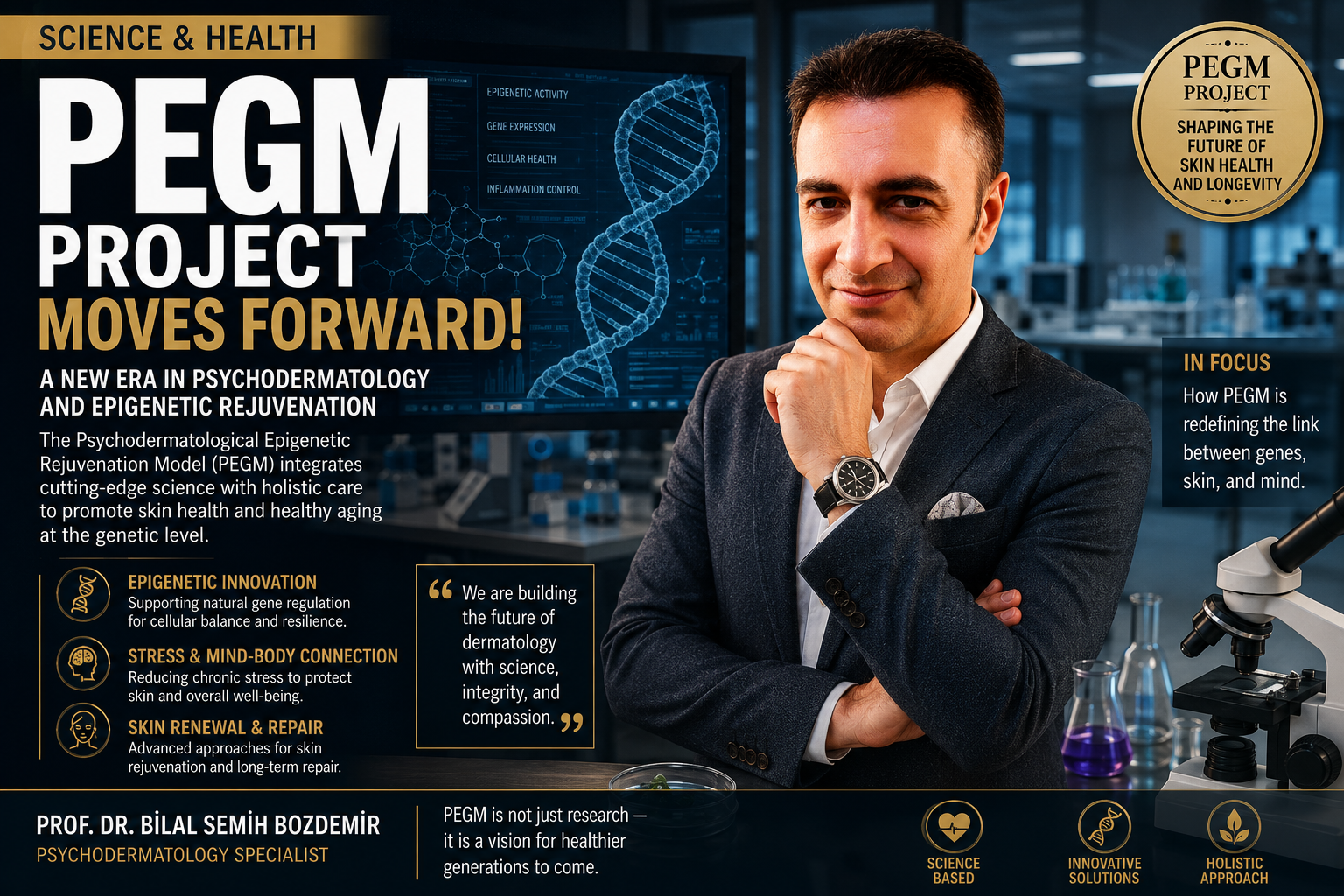
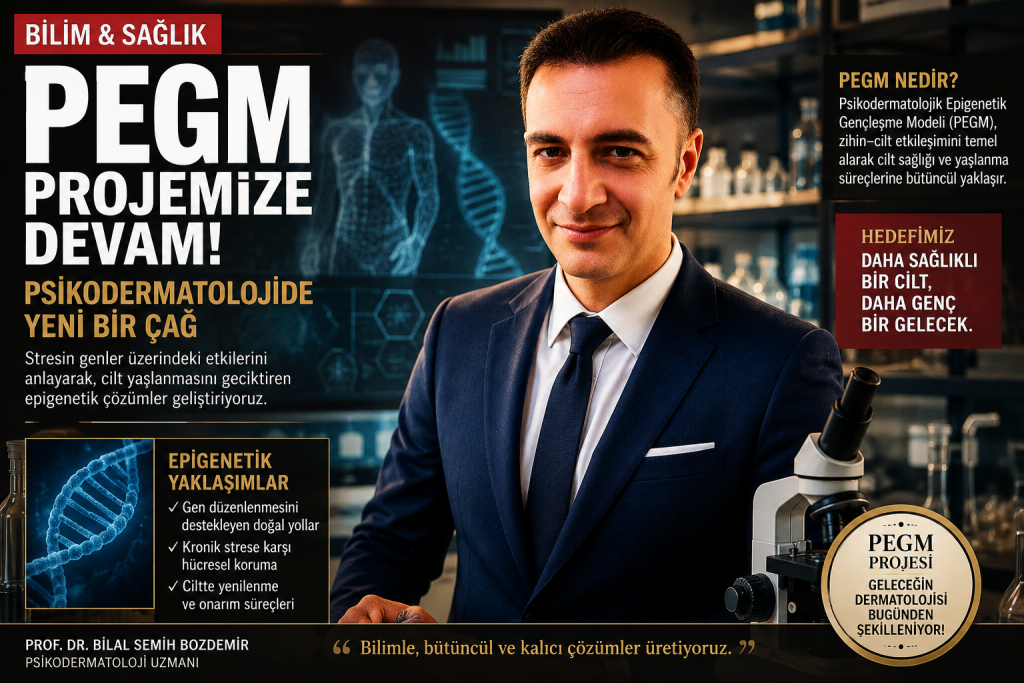
A new interdisciplinary research initiative aims to reshape how scientists understand the relationship between psychological health, skin biology, and healthy aging. The Psychodermatological Epigenetic Rejuvenation Model (PEGM), developed by Prof. Dr. Bilal Semih Bozdemir, introduces a comprehensive framework that integrates psychodermatology, epigenetics, dermatology, molecular biology, and preventive medicine into a unified scientific approach.
The project explores how chronic psychological stress, emotional well-being, environmental influences, and lifestyle factors may affect gene expression associated with skin health and the aging process. Rather than focusing solely on treating visible symptoms, PEGM emphasizes understanding the biological mechanisms that regulate inflammation, tissue repair, and long-term skin resilience.
A Shift Toward Preventive and Personalized Medicine
Modern medicine increasingly recognizes that the skin functions as much more than a protective barrier. It is a biologically active organ that continuously communicates with the nervous, endocrine, and immune systems. This communication network—often described as the skin-brain axis—has become an important area of investigation in recent years.
The PEGM Project builds upon these scientific developments by proposing that psychological and environmental factors may influence epigenetic pathways involved in skin physiology. According to the project’s conceptual framework, healthy aging may depend not only on genetics but also on reversible biological processes influenced by stress management, nutrition, sleep quality, and overall lifestyle.
“Our goal is to investigate how psychological resilience and biological regulation can work together to support healthier skin and healthier aging,” Prof. Dr. Bilal Semih Bozdemir explains. “The future of medicine lies in understanding the complex interactions between the mind, genes, and the body’s regenerative capacity.”
Understanding Epigenetic Plasticity
Epigenetics has transformed scientific understanding of human biology by demonstrating that gene activity can be influenced by external and internal factors without altering the DNA sequence itself. Nutrition, chronic stress, environmental exposures, physical activity, and emotional experiences all contribute to epigenetic regulation.
The PEGM framework seeks to examine how these mechanisms interact with dermatological health. Instead of viewing skin aging as an inevitable consequence of time, the project investigates whether optimizing biological regulation could help maintain healthier skin function throughout life.
Researchers involved in the initiative emphasize that the project focuses on evidence-based scientific investigation rather than cosmetic claims, with particular attention given to molecular pathways associated with inflammation, oxidative stress, collagen metabolism, immune regulation, and cellular aging.
Integrating Multiple Scientific Disciplines
One of PEGM’s distinguishing features is its multidisciplinary structure. The model combines expertise from psychodermatology, molecular dermatology, neuroscience, immunology, regenerative medicine, lifestyle medicine, and precision healthcare.
This integrated perspective reflects a broader trend in biomedical research toward systems biology, where complex health conditions are understood as interactions among multiple biological systems rather than isolated disorders.
Future phases of the project are expected to explore potential collaborations with specialists in genetics, artificial intelligence, biomarker analysis, and personalized medicine.
Looking Ahead
As global populations continue to age and stress-related health conditions become increasingly prevalent, researchers believe that interdisciplinary models such as PEGM may contribute to the development of more comprehensive preventive healthcare strategies.
The long-term vision of the project includes the translation of scientific discoveries into practical clinical applications, educational initiatives, and international research collaborations aimed at improving skin health, resilience, and healthy longevity.
While the PEGM Project remains an evolving scientific framework, its emphasis on the interconnected roles of psychology, biology, and epigenetics reflects a growing movement toward more holistic and personalized approaches to healthcare.
By encouraging collaboration across multiple disciplines, the initiative hopes to contribute to future advances in preventive medicine and deepen scientific understanding of how the mind and body work together to influence human health over the lifespan.